گرلین یا هورمون گرسنگی – GHRELIN OR THE HUNGER HORMONE
گرلین هورمونی که قبل از اقدام به رژیم و طرح برنامه رژیمی باید بشناسید
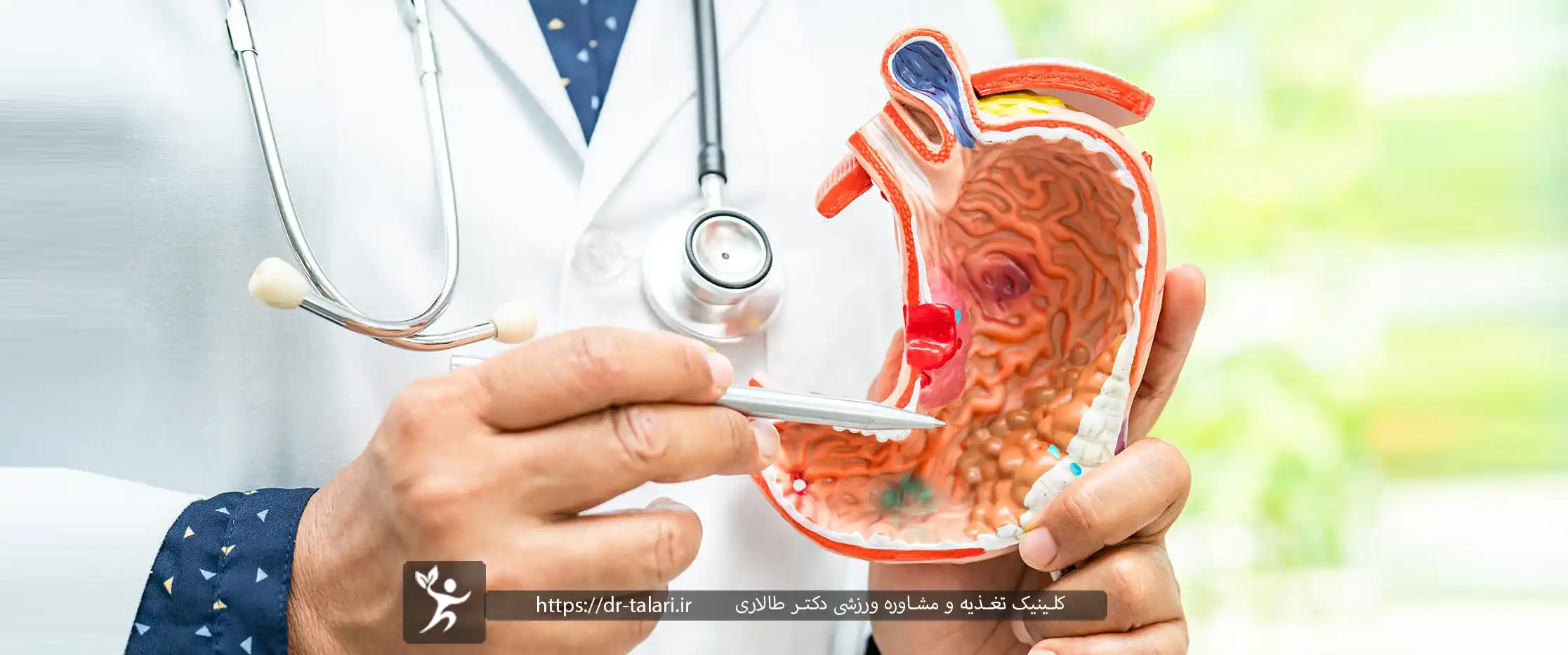
– گرلین، پپتیدی تولیدشده عمدتاً در معده، نقش محوری در تحریک اشتها و تنظیم هموستاز انرژی دارد. این هورمون در دو فرم «آسیلشده (فعال)» و «دسآسیل (غیرآسیل)» وجود دارد؛ تنها فرم آسیلشده گیرنده GHS-R1a را فعال میکند. گرلین علاوه بر تحریک گرسنگی، بر متابولیسم گلوکز، ترشح انسولین، رفتارهای مرتبط با پاداش غذایی و مسیرهای مرکزی تنظیم اشتها مؤثر است. در کنار این نقشها، ورزش و محور استرس (کورتیزول) عملکرد و الگوی ترشح گرلین را تحتتأثیر قرار میدهند . دانشی که برای تدوین برنامههای تغذیهای و تمرینی تخصصی حیاتی است.
فیزیولوژی و نکات آزمایشگاهی
گرلین عمدتاً توسط سلولهای فوندوس معده ترشح میشود و قبل از وعده افزایش و پس از غذا کاهش مییابد (نشانهٔ نقش در شروع غذا).
دو فرم مهم: Acyl-ghrelin (فعال) و Des-acyl ghrelin (غیرآسیل؛ اثرات مستقل و پیچیده). اندازهگیری acyl-ghrelin نیاز به نمونهگیری و فرایند پردازشی استاندارد دارد؛ فرم فعال به سرعت ناپایدار میشود و تفسیر نتایج بدون توجه به روشهای نمونهگیری میتواند گمراهکننده باشد. (Kojima et al., 1999; Cummings et al., 2001)
گرلین در چاقی، کاهش وزن و جراحی باریاتریک
در بسیاری از افراد مبتلا به چاقی، سرکوب گرلین پس از غذا کمتر است؛ این اختلال در سیگنالهای سیری-گرسنگی به تداوم دریافت انرژی اضافه کمک میکند.
کاهش وزن کالری محور معمولاً با افزایش گرلین همراه است که یکی از مکانیسمهای بازگشت وزن پس از رژیم است (Sumithran et al., 2011).
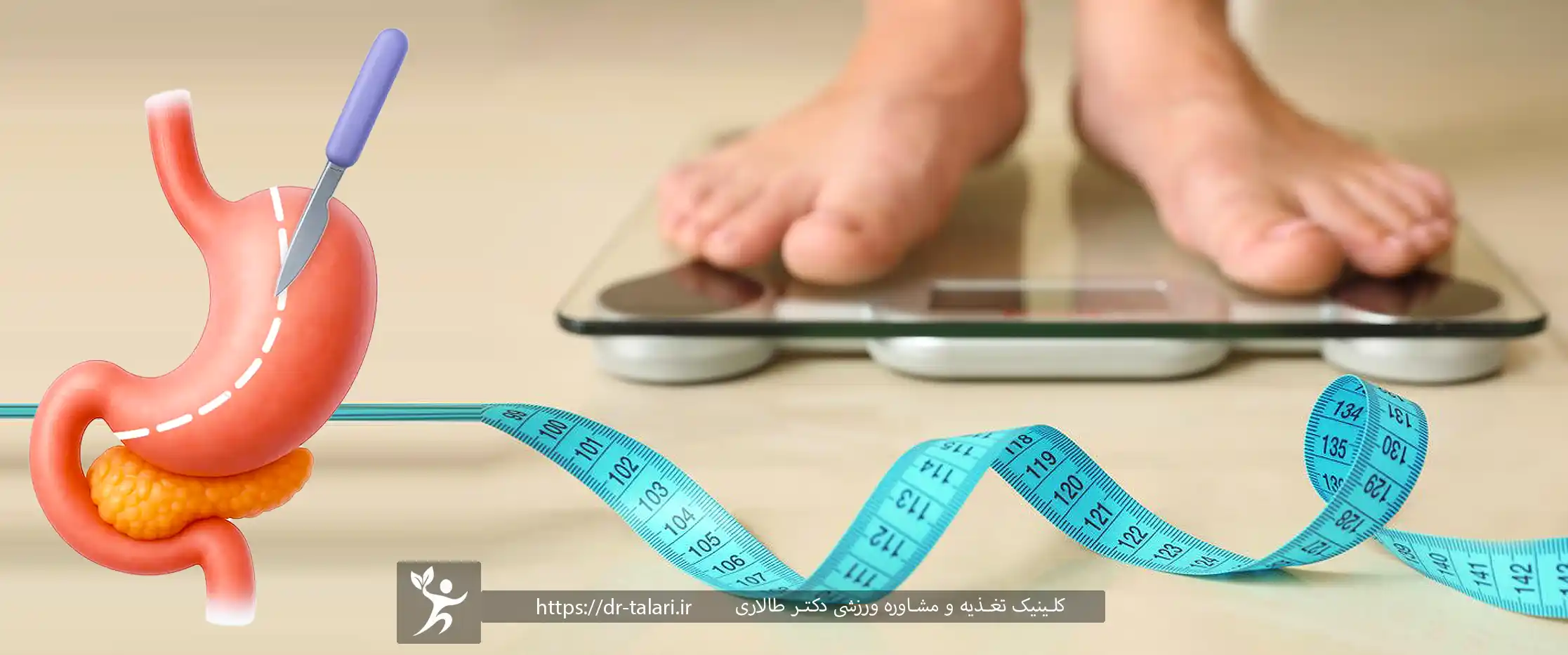
در اسلیو گاسترکتومی، بخش تولیدکننده گرلین حذف میشود و سطح هورمون و اشتها کاهش مییابد که بخشی از اثرات موفق عمل را توضیح میدهد (Langer et al., 2005).
تأثیر ورزش بر گرلین
اثر حاد: جلسات تمرینی با شدت متوسط تا بالا از جمله HIIT و جلسات استقامتی طولانی معمولاً منجر به سرکوب موقت acyl-ghrelin میشوند؛ این سرکوب ۳۰–۱۲۰ دقیقه پس از تمرین گزارش شده و احساس گرسنگی کوتاهمدت را کاهش میدهد. به این خاطر اگر می خواهید با ورزش دچار احساس گرسنگی نشوید و اگر تمرین HIIT انجام می دهید تمرین شم باید تنها 20 دقیقه طول بکشد و اگر مایل به انجاتم تمرین استقامتی هستید از انجام تمرین بش از 48 دقیقه خوداری کنید .
اثر بر هورمونهای سیری: همزمان با سرکوب گرلین، افزایش موقتی PYY و GLP-1 ممکن است رخ دهد که ترکیب این تغییرات اشتها را کاهش میدهد.
اثر مزمن: پاسخهای بلندمدت به تمرین وابسته به تغییرات وزنی و ترکیب بدنی است؛ در برخی موارد کاهش وزن با افزایش گرلین همراه میشود (پاسخ جبرانی بدن)، بنابراین نتایج طولانیمدت تابع مدیریت انرژی و حفظ توده عضلانی است. (Broom et al., 2009; Blom et al., 2006)
ارتباط گرلین و کورتیزول (محور HPA )
بین گرلین و کورتیزول رابطهٔ دو جهتی وجود دارد: افزایش کورتیزول (مثلاً در استرس مزمن یا تمرینات پرشدت با بازیابی ناکافی) میتواند با افزایش سطح گرلین همراه شود؛ از سوی دیگر گرلین قادر است محور HPA را فعال کند و ترشح ACTH/کورتیزول را تقویت نماید.
در طراحی برنامههای تمرینی باید تعادل بین بهرهبرداری از سرکوب حاد گرلین ناشی از تمرین و اجتناب از بار تمرینی و بازیابی ناکافی (که منجر به کورتیزول مزمن و افزایش گرسنگی میشود) را رعایت کرد. (Delhanty & van der Lely, 2011)
عوامل قابلکنترل در سبک زندگی و ارتباط آنها با هورمونهای کلیدی
نقش هر مورد به صورت مختصر و ارتباط با گرلین
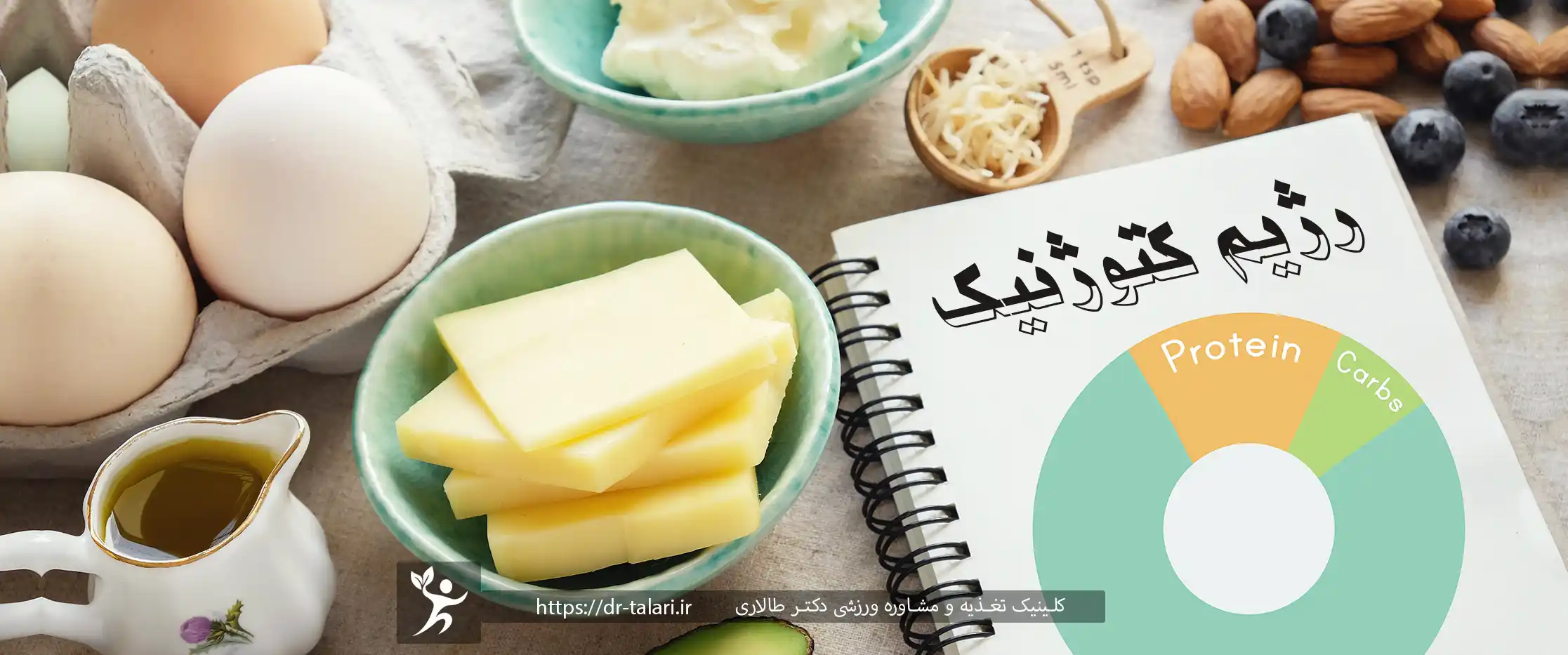
ترکیب وعدههای غذایی (پروتئین، فیبر): پروتئین کافی (≈25–40 گرم در هر وعده برای اغلب بزرگسالان متناسب با نیاز) و فیبر بالا سرکوب گرلین را تقویت میکنند؛ همچنین PYY و GLP-1 افزایش مییابند. (Blom et al., 2006)
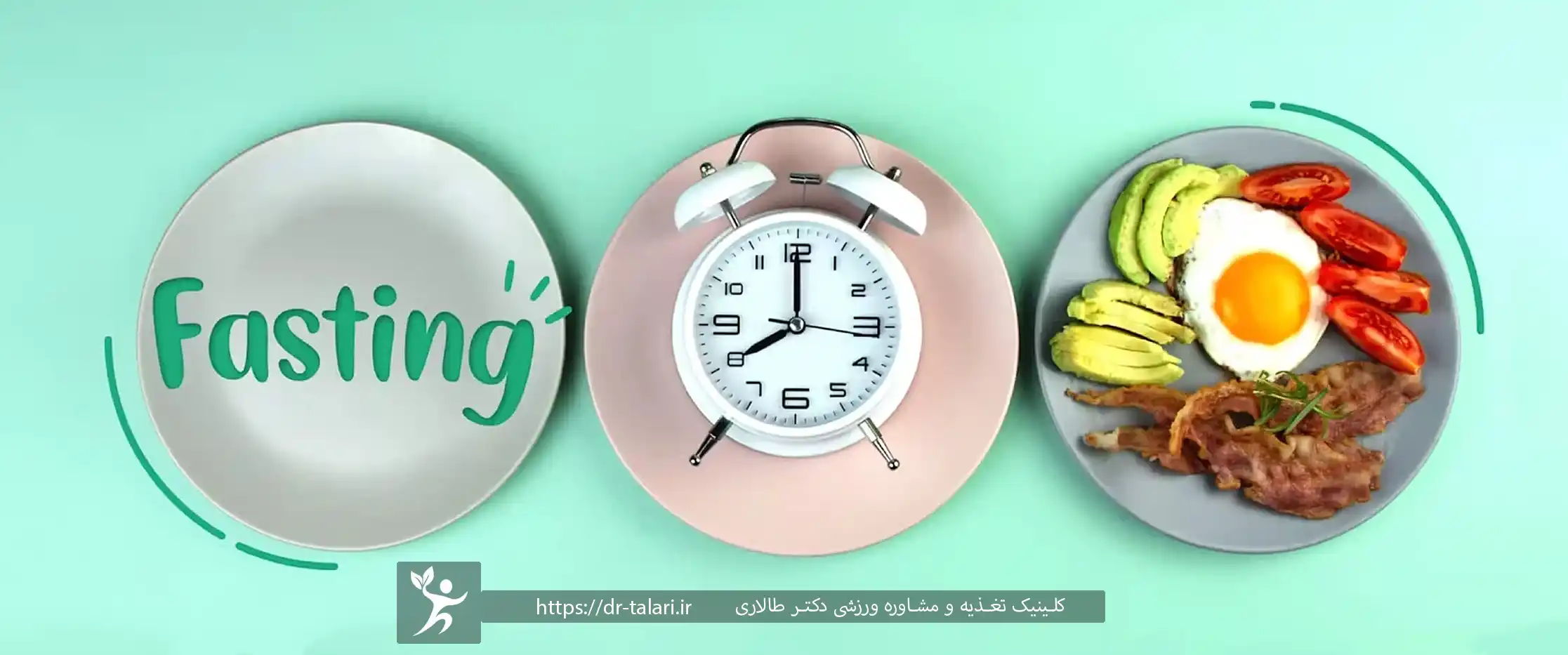
الگوی وعدهها و توزیع کالری: فواصل طولانی بین وعدهها موجب جهش گرلین میشود؛ زمانبندی منظم وعده و میانوعدههای هوشمند میتواند نوسانات را کاهش دهد.
خواب: کمخوابی با ↑گرلین و ↓لپتین همراه است؛ بهعبارت دیگر کمبود خواب میل به غذا را افزایش میدهد و در حفظ کاهش وزن اختلال ایجاد میکند. (Spiegel et al., 2004)
مدیریت استرس: استرس مزمن با ↑کورتیزول و در پی آن ↑گرلین و گرایش به خوردن هیجانی مرتبط است؛ تکنیکهای مدیریت استرس برای ثبات هورمونی ضروریاند.
فعالیت بدنی و ترکیب تمرین: تمرین مقاومتی برای حفظ/افزایش تودهٔ عضلانی و تمرین هوازی/HIIT برای کنترل اشتها و انرژی ترکیب مطلوبی فراهم میکنند.
تعامل با سایر هورمونها:
لپتین: هورمون سیری از بافت چربی؛ تعادل لپتین و گرلین برای سیری/گرسنگی حیاتی است؛ در چاقی اغلب مقاومت به لپتین وجود دارد.
انسولین: ترشح و مقاومت انسولین با گرلین تعامل دارد؛ گرلین میتواند ترشح انسولین را مهار کند.
PYY و GLP-1: هورمونهای رودهای سِری که پس از غذا ترشح میشوند و با سرکوب اشتها همکاری میکنند.
NPY/AgRP و اورکسین: مسیرهای مغزی محرک اشتها که توسط گرلین فعال میشوند.
هورمون رشد و IGF-1 : گرلین محرک GH است و تعامل این محور بر ترکیب بدن و پاسخ به تمرین اثر دارد.
راهکارهای عملی برای مداخلات بالینی
1. در برنامهریزی تمرین از ترکیب مقاومتی + هوازی/HIIT کنترلشده بهره ببرید تا سرکوب حاد گرلین و حفظ توده عضلانی حاصل شود؛ از بار تمرینی بیشازحد که موجب کورتیزول مزمن میگردد اجتناب کنید.
2. رژیم با اولویت پروتئین و فیبر؛ توزیع پروتئین در وعدهها (25–40g) و فیبر کافی برای سرکوب گرلین و افزایش PYY/GLP-1 توصیه میشود.
3. تاکید بر خواب (7–9 ساعت) و آموزش تکنیکهای مدیریت استرس (مثلاً تمرینهای تنفسی، ذهنآگاهی) برای کاهش کورتیزول و نوسانات گرلین.
4. در بیماران دیابتی/پیشدیابتی به تعامل گرلین و انسولین توجه کنید و هر تغییر تغذیهای یا ورزشی را با تیم پزشکی هماهنگ کنید.
5. در پژوهش یا پیگیری بالینی، اگر قصد اندازهگیری گرلین را دارید، حتماً به فرم اندازهگیریشده (acyl vs total) و روش نمونهگیری توجه کنید.
نتیجهگیری و پیشنهاد خدمات تخصصی
گرلین نقش مؤثری در انگیزش خوردن و مقاومت بدن به کاهش وزن دارد؛ اما با درک دقیق فیزیولوژی و طراحی برنامههای تغذیهای-ورزشی هدفمند میتوان این مکانیسمها را مدیریت کرد. بهعنوان متخصص تغذیه و ورزش، ارائهی برنامهٔ شخصیسازیشده که ترکیب مناسب تغذیه، زمانبندی وعده، برنامه تمرینی متعادل و مداخلات خواب/استرس را همزمان پیادهسازی کند، بیشترین احتمال موفقیت بلندمدت را فراهم میآورد.
منابع منتخب
1. Kojima M. et al., Nature, 1999.
2. Cummings DE. et al., Diabetes, 2001.
3. Delhanty PJ, van der Lely AJ., Endocrine Reviews, 2011.
4. Sumithran P. et al., N Engl J Med, 2011
5. Langer FB. et al., Obes Surg, 2005.
6. Broglio F. et al., J Clin Endocrinol Metab, 2001.
7. Blom WA. et al., Am J Clin Nutr, 2006.
8. Spiegel K. et al., Ann Intern Med, 2004.
9. Broom DR. et al., Am J Physiol Regul Integr Comp Physiol, 2009.
Ghrelin: The Hormone You Must Understand Before Starting Any Diet or Nutrition Plan
Ghrelin, a peptide hormone primarily secreted by the stomach, plays a central role in stimulating appetite and regulating energy homeostasis. It exists in two main forms: acylated (active) and des-acyl (inactive); only the acylated form activates the GHS-R1a receptor. Beyond hunger stimulation, ghrelin influences glucose metabolism, insulin secretion, reward-related eating behaviors, and central appetite-regulating pathways. Exercise and the stress axis (cortisol) also impact ghrelin’s secretion pattern—an understanding that is critical for designing precise nutrition and training strategies.
________________________________________
Physiology and Laboratory Considerations
Ghrelin is predominantly produced by the fundus of the stomach, increasing before meals and decreasing after food intake—a clear indication of its role in meal initiation.
• Two major forms:
o Acyl-ghrelin (active): Stimulates appetite and activates GHS-R1a.
o Des-acyl ghrelin (inactive): Exhibits independent and complex biological effects.
Measuring acyl-ghrelin requires specific sampling and processing protocols, as this active form is unstable and degrades quickly. Misinterpretation is likely without proper methodology.
(References: Kojima et al., 1999; Cummings et al., 2001)
________________________________________
Ghrelin in Obesity, Weight Loss, and Bariatric Surgery
In many individuals with obesity, postprandial suppression of ghrelin is blunted, which contributes to impaired satiety signaling and persistent energy intake.
• Calorie-restricted weight loss often leads to a compensatory rise in ghrelin, making long-term weight maintenance difficult.
(Sumithran et al., 2011)
• In sleeve gastrectomy, the ghrelin-producing portion of the stomach is removed, resulting in a significant drop in ghrelin levels and appetite, partially explaining the surgery’s effectiveness.
(Langer et al., 2005)
________________________________________
Exercise and Ghrelin Dynamics
Acute Effects:
• Moderate to high-intensity exercise (including HIIT and prolonged endurance sessions) temporarily suppresses acyl-ghrelin levels for about 30–120 minutes post-exercise, reducing short-term hunger.
o For hunger control:
HIIT sessions should be limited to ~20 minutes.
Endurance workouts should ideally stay under 48 minutes.
• This suppression is often accompanied by a temporary rise in PYY and GLP-1, gut-derived hormones that further reduce appetite.
Chronic Effects:
• Long-term exercise outcomes depend on weight and body composition changes.
• In some cases, weight loss leads to a rise in ghrelin as part of the body’s homeostatic response. Thus, sustainable results depend on energy management and muscle mass preservation.
(Broom et al., 2009; Blom et al., 2006)
________________________________________
Ghrelin and Cortisol: The HPA Axis Link
There is a bidirectional relationship between ghrelin and cortisol:
• Chronic stress or intense training without adequate recovery raises cortisol, which may, in turn, increase ghrelin levels and drive emotional eating.
• Conversely, ghrelin can activate the HPA axis, enhancing ACTH and cortisol secretion.
Training programs must balance the acute benefits of ghrelin suppression through exercise with the risk of chronic cortisol elevation due to overtraining or poor recovery.
(Delhanty & van der Lely, 2011)
________________________________________
Lifestyle Factors Affecting Ghrelin and Appetite Hormones
1. Meal Composition (Protein & Fiber):
• High-protein (25–40g per meal) and high-fiber meals suppress ghrelin and boost PYY and GLP-1, promoting satiety.
(Blom et al., 2006)
2. Meal Timing & Calorie Distribution:
• Long gaps between meals can lead to ghrelin surges.
• Structured meal timing and smart snacking help stabilize ghrelin fluctuations.
3. Sleep:
• Sleep deprivation is associated with ↑ ghrelin and ↓ leptin, leading to increased appetite and challenges in weight maintenance.
(Spiegel et al., 2004)
4. Stress Management:
• Chronic stress elevates cortisol and ghrelin, promoting emotional eating.
• Implementing stress-reduction strategies (e.g., mindfulness, breathing exercises) is essential for hormonal balance.
5. Physical Activity & Exercise Composition:
• A hybrid approach combining resistance training (to preserve/increase lean mass) and HIIT or aerobic work (to reduce appetite and support fat loss) is ideal.
________________________________________
Hormonal Interactions
• Leptin: A satiety hormone from adipose tissue; balance between leptin and ghrelin is critical. Leptin resistance is common in obesity.
• Insulin: Ghrelin can inhibit insulin secretion; interactions matter in insulin-resistant individuals.
• PYY & GLP-1: Gut hormones that enhance satiety and are increased after meals.
• NPY/AgRP & Orexin: Appetite-stimulating brain pathways activated by ghrelin.
• Growth Hormone & IGF-1: Ghrelin stimulates GH secretion, influencing body composition and training responses.
________________________________________
Practical Recommendations for Clinical or Coaching Interventions
1. Training Plan: Combine resistance training + controlled aerobic/HIIT sessions to optimize ghrelin suppression and preserve muscle. Avoid overtraining and ensure adequate recovery to prevent chronic cortisol elevation.
2. Diet Composition: Prioritize high-protein, high-fiber meals, with balanced distribution of protein (25–40g/meal) to support appetite control via ghrelin and PYY/GLP-1 modulation.
3. Sleep & Stress Management: Ensure 7–9 hours of quality sleep and integrate stress-reduction practices to minimize cortisol and ghrelin fluctuations.
4. Special Populations: In individuals with diabetes or prediabetes, be mindful of ghrelin–insulin interactions. Coordinate nutritional and exercise strategies with a healthcare team.
5. Research & Biomarkers: If ghrelin measurement is intended (e.g., in research or advanced clinical monitoring), ensure correct sampling and distinguish between acyl and total ghrelin to avoid misinterpretation.
________________________________________
Conclusion & Specialized Services
Ghrelin plays a crucial role in eating motivation and the body’s resistance to weight loss. However, with a deep understanding of its physiology and evidence-based program design—including diet, exercise, sleep, and stress management—its effects can be strategically modulated.
As a nutrition and fitness professional, offering personalized programs that integrate macronutrient composition, meal timing, strategic training plans, and lifestyle optimization creates the strongest foundation for long-term success.
________________________________________
Key References
1. Kojima M. et al., Nature, 1999.
2. Cummings DE. et al., Diabetes, 2001.
3. Delhanty PJ, van der Lely AJ., Endocrine Reviews, 2011.
4. Sumithran P. et al., N Engl J Med, 2011.
5. Langer FB. et al., Obes Surg, 2005.
6. Broglio F. et al., J Clin Endocrinol Metab, 2001.
7. Blom WA. et al., Am J Clin Nutr, 2006.
8. Spiegel K. et al., Ann Intern Med, 2004.
9. Broom DR. et al., Am J Physiol Regul Integr Comp Physiol, 2009.