
رژیمهای کم کربوهیدرات و بسیار کم کربوهیدرات
بررسی علمی، مزایا، معایب و تأثیرات هورمونی
رژیم کتوژنیک چیست؟ بعبارتی رژیمهای کم کربوهیدرات (Low Carb) و بسیار کم کربوهیدرات (Very Low Carb) از جمله رویکردهای تغذیهای پرطرفدار در دهههای اخیر برای کاهش وزن، کنترل قند خون و بهبود برخی از بیماریهای متابولیک بودهاند. با اینکه این رژیمها مزایای چشمگیری دارند، تأثیرات عمیقی نیز بر سیستمهای هورمونی بدن – هم درونریز و هم برونریز – میگذارند که درک علمی آن برای انتخاب آگاهانه بسیار حیاتی است. هدف رژیم غذایی کمکربوهیدرات بر کاهش مصرف قندها و نشاستهها و تمرکز بیشتر روی پروتئین، چربیهای سالم و سبزیجات بنا نهاده شده است.. این رژیم در کاهش وزن و کاهش کنترل قند خون تاثیر بسزایی دارد. اما یک نسخه شگفت انگیز استفاده از دستگاه های لاغری در کنار برنامه های رژیم های غذایی است که می تواند علاوه بر کاهش فشار ناشی از این برنامه ها، به عنوان یک مکانیزم کمک کننده و تسهیل گر در برنامه لاغری شما ایفای نقش کند.
رژیم لو کِرب و کتوژنیک چه تفاوتی دارند؟
رژیم کم کربوهیدرات (Low Carb)
- معمولاً شامل مصرف روزانه کمتر از 100 تا 150 گرم کربوهیدرات است.
- تمرکز بر حذف کربوهیدراتهای تصفیهشده و افزایش چربیهای سالم و پروتئینها.
رژیم بسیار کم کربوهیدرات یا کتوژنیک (VLCKD / Ketogenic)
- شامل مصرف روزانه زیر 50 گرم کربوهیدرات (معمولاً 20-30 گرم).
- بدن وارد وضعیت کتوزیس میشود؛ در این وضعیت، به جای گلوکز از کتونها بهعنوان منبع انرژی استفاده میکند.
مزایای رژیم کم کربوهیدرات چیست؟
کاهش وزن سریعتر
- کاهش انسولین باعث افزایش لیپولیز (چربیسوزی) و کاهش احتباس آب میشود.
بهبود حساسیت به انسولین
- کاهش دریافت کربوهیدرات، نوسانات قند خون و نیاز به ترشح انسولین را کاهش میدهد.
کنترل دیابت نوع 2
- کاهش چشمگیر HbA1c و نیاز به داروهای کاهنده قند در برخی بیماران.
کاهش تری گلیسرید و افزایش HDL
- اثر مثبت بر پروفایل لیپیدی، بهویژه در رژیمهای کتوژنیک.
تأثیر رژیمهای کم کربوهیدرات و کتوژنیک بر سیستم هورمونی
هورمونهای درونریز (Endocrine)
- انسولین
- کاهش قابل توجه ترشح انسولین.
- کمک به مقاومت انسولینی در بیماران مبتلا به سندرم متابولیک و دیابت.
- گلوکاگون
- افزایش ترشح گلوکاگون در نبود گلوکز؛ کمک به تولید کتون و گلوکونئوژنز.
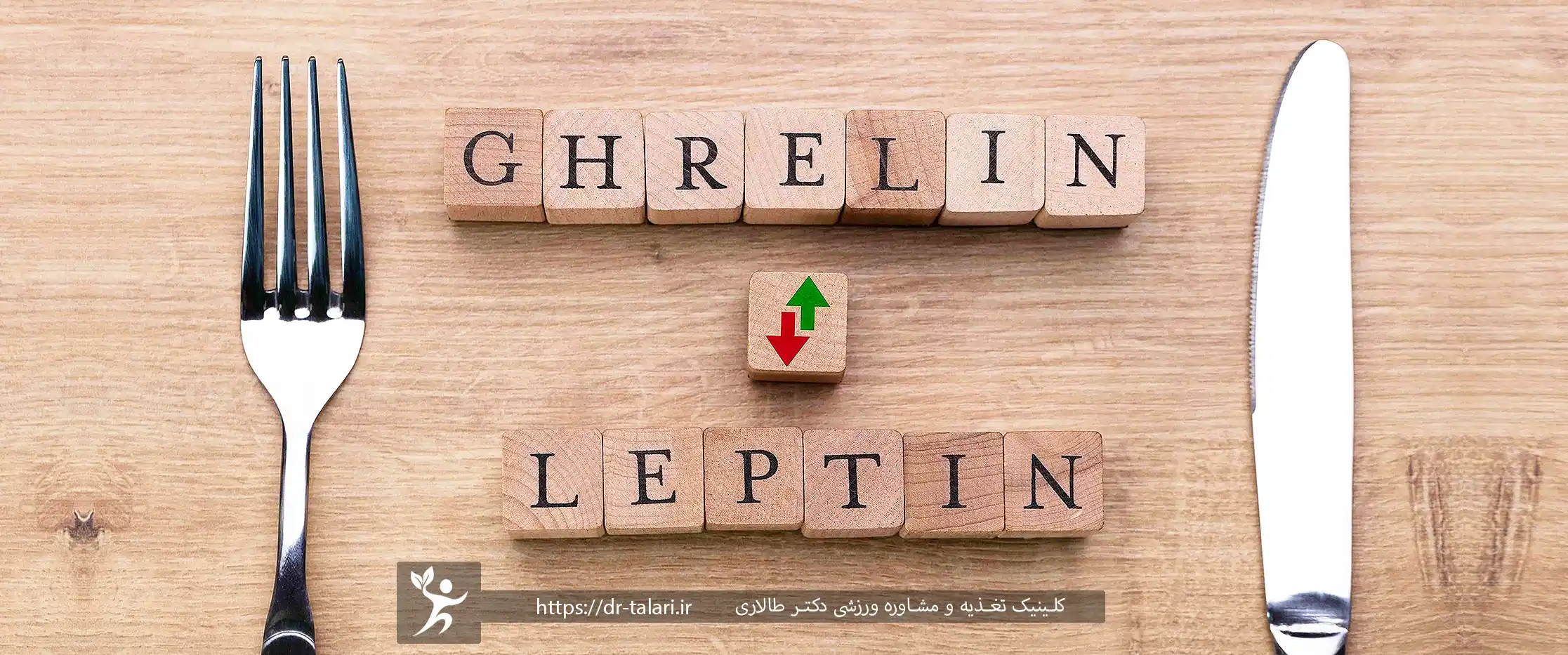
- لپتین و گرلین (هورمونهای اشتها)
- لپتین کاهش مییابد (در نتیجه کاهش چربی بدن)، اما در بسیاری از افراد سیری بهتر تنظیم میشود.
- گرلین ممکن است بهصورت کوتاهمدت افزایش یابد، اما در رژیمهای پرپروتئین کنترل میشود.
- کورتیزول
- در برخی افراد در مراحل اولیه ممکن است افزایش یابد، بهخصوص اگر دریافت کالری بسیار پایین باشد.
- استرس متابولیک در برخی افراد میتواند منجر به اختلالات خواب یا خستگی شود.
- هورمونهای تیروئیدی (T3, T4)
- کاهش T3 در برخی افراد دیده شده، بدون علامت کمکاری تیروئید.
- نیاز به پایش در بیماران با اختلالات تیروئید.
هورمونهای برونریز (Exocrine)
- آنزیمهای پانکراس (لیپاز، آمیلاز)
- با افزایش مصرف چربی، تولید آنزیمهای گوارشی تغییر میکند.
- ممکن است در برخی افراد با مشکلات گوارشی (مثل پانکراتیت یا سوءهاضمه چربی) ایجاد مشکل کند.
- صفرا
- افزایش نیاز به ترشح صفرا برای هضم چربیها.
- در برخی افراد منجر به ناراحتی گوارشی یا تشدید مشکلات صفراوی میشود.
معایب و محدودیتها
- یبوست: کاهش فیبرهای محلول در صورت عدم مصرف کافی سبزیجات.
- بوی بدن و نفس بد (Ketone Breath): بهویژه در رژیمهای کتو.
- کمبود ریزمغذیها: احتمال کاهش مصرف ویتامینهای گروه B، منیزیم، پتاسیم و…
- سختی در پایبندی بلندمدت: نیاز به آموزش و پشتیبانی مستمر.
- مناسب نبودن برای برخی بیماران: مثل افرادی با بیماری کلیوی پیشرفته، مشکلات کیسه صفرا یا دوران بارداری.
دیدگاه بالینی و راهکار برای مراجعهکنندگان
به عنوان متخصص تغذیه یا درمانگر، برای هر فرد باید بر اساس :
- شرایط متابولیک
- اهداف شخصی (کاهش وزن، کنترل دیابت، عملکرد ورزشی، درمان PCOS و…)
- وضعیت سلامت عمومی
- تیپ بدنی و سازگاری ذهنی با محدودیتها
رژیم مناسب انتخاب شود. استفاده از رژیمهای کم کربوهیدرات و کتوژنیک میتواند در برنامه درمانی کلینیکی مفید باشد، اما نیازمند:
- آموزش کامل فرد
- پایش منظم آزمایشات (HbA1c، لیپیدها، هورمونهای تیروئیدی، عملکرد کلیوی)
- افزودن منابع سالم چربی، پروتئین کافی، و مکملهای لازم در صورت نیاز است.
نتیجهگیری
رژیمهای کم کربوهیدرات و کتوژنیک، در صورت انتخاب و اجرای صحیح، میتوانند ابزارهای قدرتمندی برای بهبود شرایط متابولیک، کاهش وزن و حتی بهبود وضعیت هورمونی باشند. با این حال، پایش علمی، فرد محور بودن برنامه و توجه به تأثیرات هورمونی و گوارشی از الزامات اساسی این رویکردهاست. علاوه بر رژیم های کتوژنیک، استفاده از انواع رژیم های غذایی همانند رژیم فستینگ و … که با بررسی علمی شرایط جسمانی شما برنامه ریزی و ارائه شود، می تواند کمک شایانی در بهبود سلامت شما داشته باشد.